Alpacas
A Joyful Addition to Your Embroidery Toolkit
As an experienced embroidery designer, I’ve had the pleasure of working with countless machine embroidery designs. When I first saw Alpacas, I knew it had potential. This design isn’t just another animal motif—it’s a playful and versatile piece that can elevate a wide range of apparel projects. From cozy sweatshirts to trendy tote bags, Alpacas brings a sense of charm and whimsy that resonates well with boutique brands and creative entrepreneurs.
First Impressions: A Playful and Detailed Design
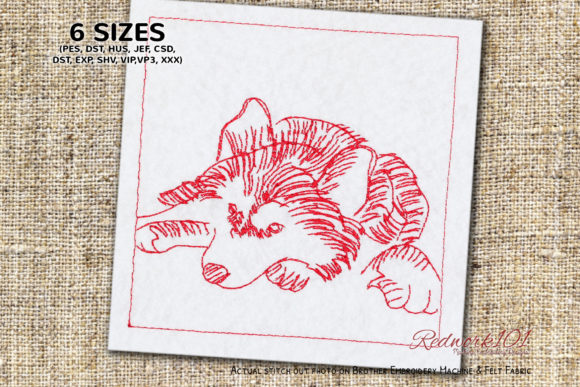
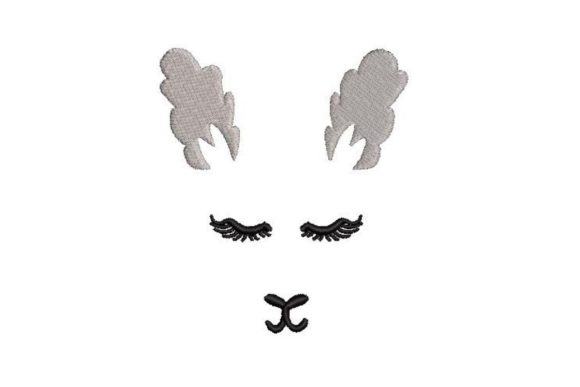
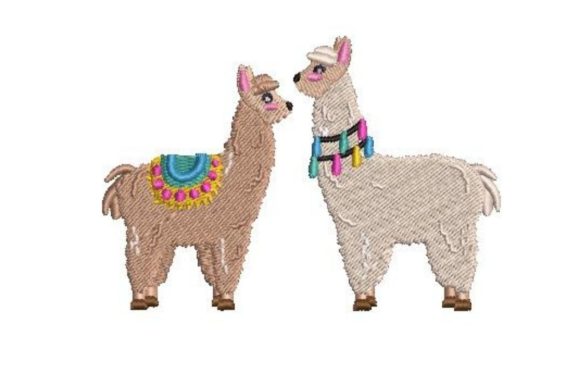
The first thing that struck me about Alpacas was its visual personality. It feels both cute and bold, with a soft yet expressive look that appeals to a broad audience. The two alpacas are rendered with care, their features clearly defined and full of character. The stitching mood is light and friendly, making it ideal for casual or lifestyle-oriented products.
The detail level is impressive, especially for a design that’s meant to be used on various garments. The facial expressions, fur texture, and overall composition give it a premium feel, even though it’s not overly intricate. This balance between simplicity and detail makes Alpacas a strong decorative element that stands out without overwhelming the garment.
Apparel Use Cases: Versatile and Adaptable
Alpacas is incredibly adaptable, which is a major plus for designers looking to create a cohesive product line. Here are some of the ways I envision using this design:
- Sweatshirt Embroidery: Perfect for neutral-colored sweatshirts, Alpacas adds a touch of fun and warmth. It looks especially good on oversized styles or in pastel tones.
- Hoodie Chest Placement: The design fits nicely on the chest area, where it won’t overcrowd the space but still makes a statement. It works well on both light and dark fabrics.
- Sleeve Accents: Adding Alpacas to sleeves gives a subtle yet eye-catching effect. It’s great for creating a playful vibe without being too loud.
- Back Designs: For a more prominent placement, the back of a hoodie or jacket offers ample space. The design’s size allows it to be scaled appropriately without losing quality.
- T-Shirt Embroidery: On t-shirts, Alpacas looks fresh and modern. It pairs well with minimalist styles and can be used as a standalone feature or part of a larger pattern.
- Tote Bag Design: The design translates beautifully to tote bags, especially when printed or embroidered. It adds a whimsical touch that aligns well with handmade and Etsy product aesthetics.
- Boutique Merchandise: Whether it’s for custom apparel or branded accessories, Alpacas helps build a recognizable brand identity. Its consistent style supports visual consistency across multiple product lines.
Practical Considerations: Where to Be Careful
While Alpacas is a versatile design, there are certain areas where you should exercise caution to ensure the best results:
- Small Chest Placement: If placing Alpacas on a small chest area, make sure the design isn’t too large. Scaling it down may affect stitch density and clarity.
- Dense Stitch Areas: Some parts of the design have dense stitching, which can cause issues on stretchy or thin fabrics. Always test on scrap fabric before applying to finished garments.
- Stretchy Fabric: Fleece and ribbed fabrics can stretch, so consider using a stabilizer to maintain shape and prevent distortion.
- Dark Garments: While Alpacas works on dark colors, thread color contrast is important. Choose threads that stand out against the background for maximum visibility.
- Curved Surfaces: For curved areas like sleeves or jackets, ensure your hoop size and machine settings accommodate the design’s dimensions.
- Tiny Lettering: If the design includes any text, check that it’s clear and readable on the final product. Small details can easily get lost on certain fabrics.
Impact on Brand Identity and Customer Engagement
Using Alpacas in your product line can significantly enhance your brand’s appeal. Its playful and approachable nature makes it ideal for boutique brands targeting younger, fashion-forward audiences. The design’s visual strength and emotional resonance help build buyer trust and increase customer engagement.
From a professional standpoint, Alpacas contributes to a polished and consistent presentation. Whether it’s for printable mockups, social media graphics, or finished product photos, the design maintains its quality and charm across different formats. This consistency is essential for building a strong brand presence in today’s competitive market.
Embroidery Designer Notes: Best Practices
To ensure the best results when working with Alpacas, follow these practical tips:
- Test on Scrap Fabric: Always test the design on a scrap piece of fabric to check stitch density, alignment, and overall appearance.
- Check Stabilizer Choice: Depending on the fabric type, choose the right stabilizer to prevent puckering and ensure smooth embroidery.
- Review Thread Color Contrast: Select thread colors that complement the garment while maintaining visibility and vibrancy.
- Confirm Hoop Size: Ensure your hoop can accommodate the design’s size, especially if working with larger or detailed elements.
- Inspect Stitch Density: Adjust stitch density as needed to match the fabric’s weight and texture.
- Test on Similar Garment Fabric: Before mass production, test the design on fabric similar to what you’ll be using for the final product.
- Compare Placement Options: Experiment with different placements to find the most visually appealing and functional option.
- Check Creative Fabrica Product Details: Confirm licensing and file format compatibility before selling finished apparel.
In conclusion, Alpacas is a valuable addition to any embroidery designer’s toolkit. Its versatility, visual appeal, and adaptability make it suitable for a wide range of apparel and accessory projects. Whether you’re an Etsy seller, small shop owner, or boutique brand, Alpacas has the potential to elevate your product line and engage your audience in meaningful ways.