Antique Pottery
A Bold Statement for the Kitchen Table
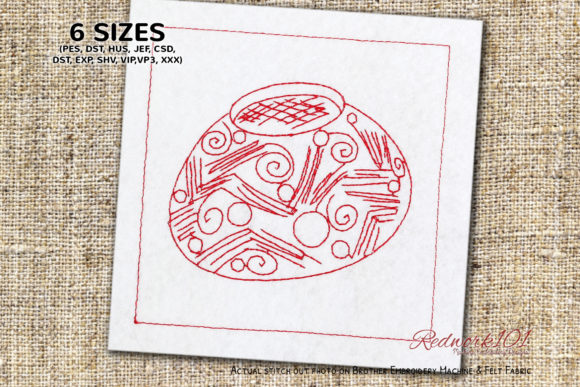
Antique Pottery makes a strong first impression with its vintage charm and intricate redwork design. The overall feel is rustic yet elegant, offering a blend of farmhouse and decorative aesthetics that appeals to a wide range of customers. It’s the kind of design that stops you in your tracks at a craft fair booth or online shop, inviting closer inspection and sparking interest in handmade products.
Where Does Antique Pottery Shine?
When evaluating Antique Pottery for craft fair products, it stands out best on items that can showcase its detailed stitching and visual storytelling. Tote bags, aprons, tea towels, and pillow covers are ideal carriers for this design. Its intricate patterns lend themselves well to larger surfaces, making it perfect for creating focal points on these everyday kitchen essentials.
- Tote Bag Design: Antique Pottery adds character to tote bags, especially when paired with neutral or earthy tones. It works as both a subtle accent and a bold statement piece depending on the fabric choice.
- Apron Embroidery: The design fits seamlessly on aprons, adding a touch of sophistication without overwhelming the product.
- Tea Towel Embroidery: The redwork style looks particularly refined on cotton tea towels, where the texture of the fabric enhances the design's visual appeal.
- Pillow Covers: A smaller version of Antique Pottery would look charming on pillow covers, offering a decorative yet practical addition to any kitchen setting.
- Embroidered Patch: As an embroidered patch, Antique Pottery could be used as a gift or accessory, providing a unique way to showcase the design.
Practical Considerations for Production
Before moving forward with Antique Pottery, consider the following production factors to ensure a successful outcome:
- Stitch Density: The design features dense stitch areas, which may require careful planning during embroidery. Ensure that the stitch density is appropriate for the chosen fabric type.
- Thread Colors: Check that the thread colors provide sufficient contrast against the background fabric, especially if using dark or textured materials.
- Hoop Size: Confirm that the hoop size is suitable for the design dimensions to avoid distortion or uneven stitching.
- Stabilizer: Use the right type of stabilizer to support the fabric and prevent puckering, especially on thick or textured materials like denim or canvas.
- Fabric Texture: Be mindful of how the fabric texture interacts with the design. Smooth fabrics like linen or cotton will highlight the details better than rougher materials.
- Mockup Testing: Always create at least one real mockup before mass production to ensure the design performs as expected.
Design Clarity and Reproducibility
Antique Pottery is visually clear at full size but may lose some detail when scaled down. This means it’s best suited for products where the design can be prominently displayed, such as large tote bags or aprons. For smaller items like patches or fabric pouches, consider simplifying the design or adjusting the scale to maintain clarity.
The box stitch shown in the picture is optional, which gives flexibility in how the design is interpreted. This adaptability makes it versatile for different craft fair products and handmade product lines.
Visual Appeal and Customer Engagement
Customers are drawn to Antique Pottery because of its nostalgic appeal and attention to detail. It has the potential to elevate the perceived value of a small shop product or commercial embroidery item. When displayed on a table with other craft fair products, Antique Pottery can serve as a standout piece that captures attention and encourages purchase.
Booth Display and Brand Consistency
At a craft fair booth, Antique Pottery should be positioned to maximize visibility. Pairing it with complementary designs or products can help reinforce brand identity while keeping the booth visually cohesive. Including printable mockups and design assets in your Etsy listing or website can also help customers visualize how the design will look on finished products.
Final Thoughts for Embroidery Designers
As an experienced embroidery designer, I recommend testing Antique Pottery on scrap fabric before proceeding with bulk production. Pay close attention to thread colors, stitch density, and hoop size to ensure the design remains sharp and professional. Also, confirm that the commercial licensing allows for resale before finalizing your finished product.
With the right approach, Antique Pottery can become a valuable addition to your digital embroidery file collection, offering a unique and marketable option for Etsy sellers and handmade product creators looking to stand out in the competitive world of craft fairs and online sales.