Chicken Wire Pattern Review
First Impressions: Bold, Rustic, and Original
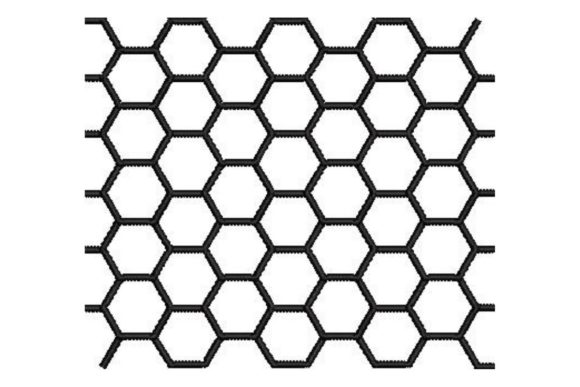
The Chicken Wire Pattern immediately catches the eye with its bold, rustic charm. It feels like a perfect blend of farmhouse aesthetics and modern simplicity. The design’s wire-like texture gives it a unique visual appeal, making it stand out in a crowded craft fair booth. Whether displayed on a tote bag or a pillow cover, this pattern adds a touch of originality that appeals to both casual and discerning buyers.
Where Does Chicken Wire Pattern Shine?
When evaluating the Chicken Wire Pattern for craft fair products, it performs exceptionally well on a variety of handmade items. Here are some standout applications:
- Tote Bag Design: The pattern looks great on large tote bags, where it can be used as a focal point or subtle accent.
- Apron Embroidery: It adds a whimsical yet practical touch to aprons, especially those designed for kitchen use.
- Tea Towel Embroidery: The clean lines of the pattern work well on textured towels, enhancing their visual appeal without overwhelming the fabric.
- Embroidered Patch: As a small accessory, the Chicken Wire Pattern becomes a versatile gift item, suitable for caps, pouches, or even DIY projects.
- Pillow Cover Embroidery: This design adds a decorative flair to home decor, making it a popular choice for boutique makers.
- Market Bag Embroidery: It's ideal for small shop products, offering a quick turnaround for Etsy sellers and craft fair booths.
Practical Selling and Production Points
The Chicken Wire Pattern is easy to understand at a glance, which is crucial for online listings and printable mockups. Its clean design allows it to work well as both a small accent and a large focal design, depending on the product size and placement.
Photographically, the pattern holds up well on fabric textures like thick cotton and textured towels, but it may lose clarity on dark fabrics or when scaled down. For Etsy sellers, ensuring high-quality images is key to showcasing the design assets effectively.
For batch production, the Chicken Wire Pattern offers good repeatability, making it ideal for commercial embroidery and digital embroidery files. However, designers should consider the stitch density and hoop size required to maintain quality across multiple units.
Careful Use Notes
While the Chicken Wire Pattern is visually appealing, there are a few considerations to keep in mind:
- Dense Stitch Areas: These can cause issues with thin fabrics or small hoop sizes, so testing on scrap fabric is essential.
- Tiny Details: Some elements of the pattern may be too small to see clearly at a distance, especially on small shop products.
- Small Lettering: If the design includes text, ensure that thread colors provide enough contrast for visibility.
- Textured Towels: While the pattern works well on these, it may require additional stabilizer to prevent puckering.
- Curved Cap Surfaces: The pattern may need adjustments for curved surfaces to maintain clarity and alignment.
- Dark Fabric: Consider using light-colored threads or contrasting fabric to enhance visibility.
Visual Appeal and Customer Engagement
The Chicken Wire Pattern has strong visual appeal, particularly for creative entrepreneurs looking to offer unique handmade products. Its rustic and modern qualities make it attractive to a wide range of customers, from farmhouse enthusiasts to urban crafters.
By incorporating the Chicken Wire Pattern into booth samples and finished products, sellers can create a cohesive brand identity. This helps build customer trust and encourages repeat purchases, especially among Etsy sellers and small shop product creators.
Design Tips for Embroidery Professionals
As an experienced embroidery designer, I recommend the following steps before producing final products:
- Test the Design on Scrap Fabric: Ensure the pattern works well on your chosen fabric type and thickness.
- Check Thread Contrast: Use thread colors that provide clear visibility against the background fabric.
- Review Spacing: Make sure the pattern doesn’t overcrowd the product surface, especially for small shop products.
- Confirm Hoop Size: Choose a hoop that accommodates the design without distortion.
- Inspect Stitch Density: Adjust settings if needed to maintain quality on different fabric types.
- Use the Right Stabilizer: Prevent puckering and ensure smooth stitching on delicate materials.
- Create at Least One Real Mockup: This helps identify any potential issues before mass production.
- Compare Fabric Colors: Test the design on various fabric shades to ensure consistency.
- Confirm Commercial Licensing: Always verify that you have the right to sell the finished product.
By carefully considering these factors, you can maximize the Chicken Wire Pattern’s potential and create high-quality, market-ready products that resonate with your target audience.