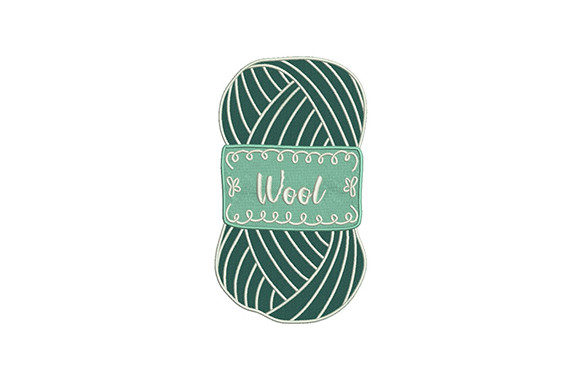
Wool Embroidery Design
A Thoughtful Addition to My Embroidery Toolkit
As an experienced embroidery designer, I’ve had the chance to work with countless machine embroidery designs over the years. When I came across Wool on Creative Fabrica, I was immediately drawn to its soft, cozy aesthetic and the way it blends both texture and detail. It’s not just another design—it’s a versatile piece that feels like it was made for real-world use in a variety of handmade and commercial projects.
The First Impression: A Warm and Textured Mood
At first glance, Wool evokes a sense of comfort and craftsmanship. The design features a subtle, textured pattern that mimics the look of wool fabric, making it ideal for those who want to add a touch of warmth and character to their creations. The stitching is clean and deliberate, with a balance of satin stitch and fill stitch that gives the design depth without overwhelming the fabric.
What stands out most is how Wool fits into a wide range of applications. Whether you're looking to create a personalized gift or a custom apparel piece, this design has the potential to elevate your finished product. Its gentle, earthy tones are especially appealing for projects that require a natural, organic feel.
Practical Use in Real Projects
When considering Wool for actual use, I thought about how it might perform in various scenarios. For example, using it on a sweatshirt or tote bag could add a unique, handcrafted element that sets the product apart. I also considered its suitability for caps, aprons, and even kitchen towels, where texture and durability are key.
One thing to keep in mind is the stitch density. While the design is detailed, it doesn’t become too dense, which makes it easier to work with on smaller hoop sizes. This is a significant advantage for designers who often need to adapt their work to different project requirements.
However, there are a few considerations to make before jumping into a project. The thread color contrast can affect the overall appearance, so it’s always a good idea to test the design on a scrap of fabric. Also, if you're working with dark fabric, you may need to adjust your stabilizer choice to ensure the design looks its best.
Performance on Different Fabrics
Wool shows promise on a variety of fabrics, but its performance can vary depending on the material. On textured fabric, the design holds up well, maintaining its shape and detail. However, when used on stretchy fabric, some minor puckering may occur, which is something to be aware of when planning your layout.
For curved surfaces like caps or aprons, the design adapts nicely, though it’s important to use the correct hoop size and stabilizer to prevent distortion. If you’re working on a layered detail project, such as a patch or a decorative pillow cover, Wool offers enough complexity to make the finished product visually engaging without being overly intricate.
Enhancing Product Value and Brand Consistency
When it comes to handmade products, the visual appeal of the design plays a crucial role in customer perception. Wool adds a level of sophistication that can enhance the perceived value of a finished item. Whether it's a personalized gift or a custom apparel piece, this design helps create a cohesive brand identity that resonates with buyers.
From a marketing perspective, Wool is also great for printable mockups and digital embroidery files, allowing creators to showcase their work effectively on platforms like Etsy or craft fairs. The design’s versatility means it can fit seamlessly into a wide range of commercial embroidery and handmade product offerings.
Key Tips for Using Wool Successfully
- Test on scrap fabric: Always try the design on a small piece of fabric before committing to a full project.
- Check thread color contrast: Ensure the chosen thread colors provide sufficient visibility against the background fabric.
- Review stitch density: Make sure the design isn’t too dense for the intended application.
- Confirm hoop size: Choose a hoop that accommodates the design without causing distortion.
- Compare light and dark fabric mockups: See how the design looks on different fabric types before finalizing.
- Use proper stabilizer: Especially on stretchy or delicate fabrics, a good stabilizer can make all the difference.
- Inspect small details after stitching: Check for any missed stitches or uneven areas before finishing the project.
- Verify file details and licensing: Always review the Creative Fabrica product page to ensure you have the right to sell the finished product.
Conclusion: A Reliable Choice for Real-World Use
Wool is more than just an embroidery design—it’s a thoughtful, adaptable asset that can bring warmth and character to a wide range of projects. Whether you're creating a personalized gift, a custom apparel piece, or a commercial embroidery product, this design has the potential to elevate your work and impress your customers.
With careful consideration of fabric type, hoop size, and thread choice, Wool can be a valuable addition to your creative toolkit. It’s a design that balances detail with usability, making it a great choice for both personal use and professional projects.